


Wondering how we run BorneoCraft sustainably? Our Borneocraft sustainability approach blends thoughtful design, responsible materials, and ethical making. By using upcycled materials and working closely with our community, we aim to reduce waste while creating real, lasting impact. We're committed to long-term social and environmental responsibility, aligning our practices with the UN Sustainable Development Goals (SDGs) and ESG values.
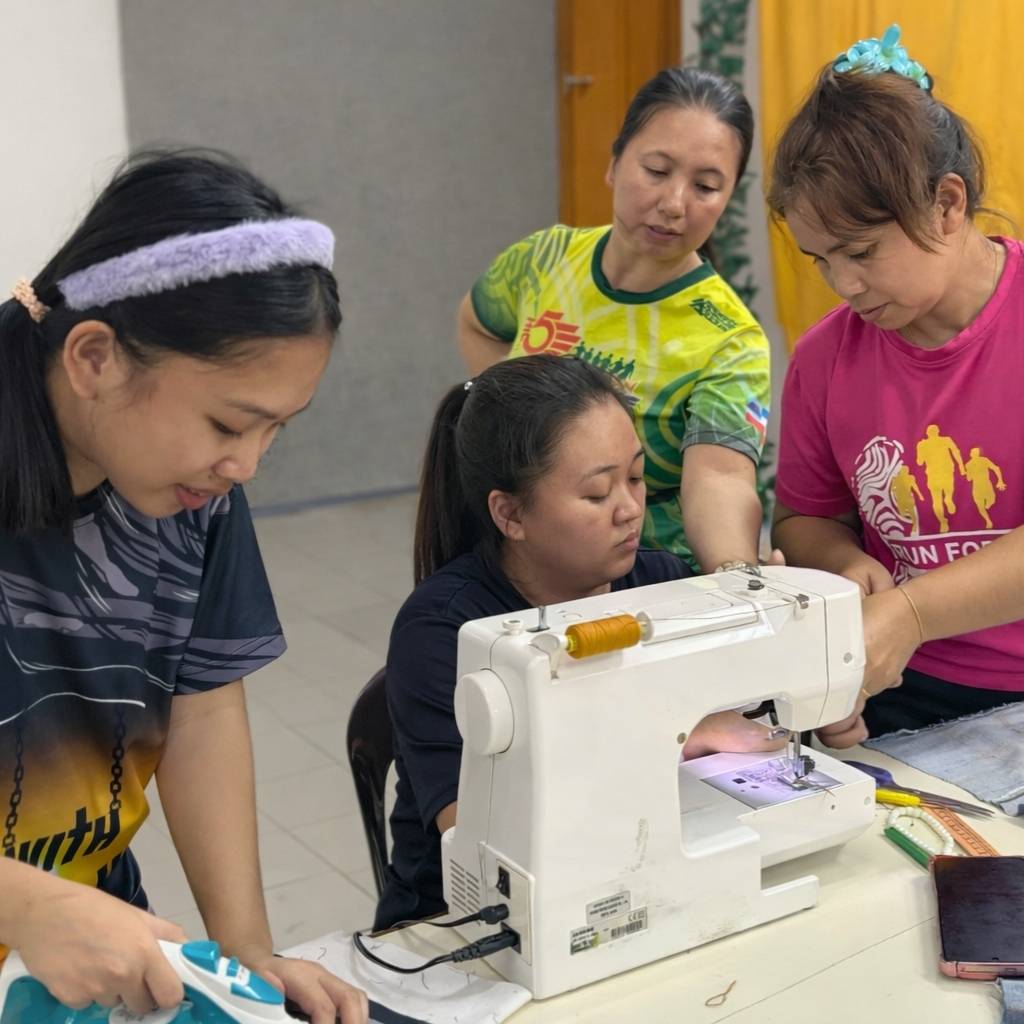
Sustainable Materials, Ethical Crafting & Thoughtful Production
At BorneoCraft, how something is made matters just as much as what is made. We focus on responsible materials and thoughtful production, turning discarded or unused materials into practical products designed for everyday life.
Each piece is made in small batches using a slower, more intentional process that prioritises quality over quantity. This approach helps us avoid overproduction while giving proper attention to each product we create.
These responsible crafting practices are also shared through our workshops, where participants learn how to make thoughtfully, value materials, and adopt more sustainable production habits in their own work.
This approach supports UN SDG 12: Responsible Consumption and Production and UN SDG 13: Climate Action by encouraging responsible material use and reducing overall environmental footprint.
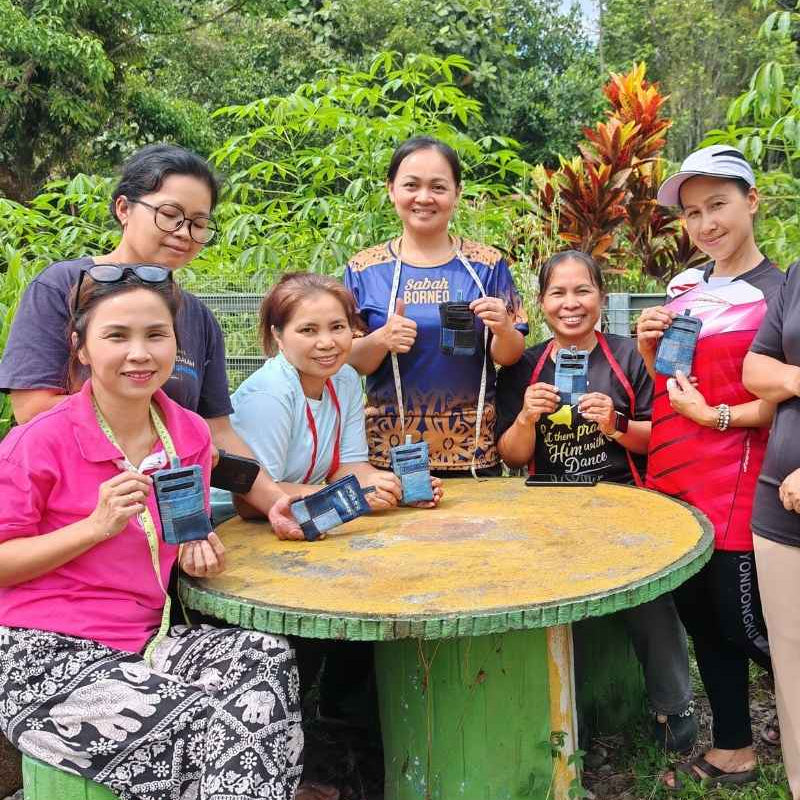
Empowering Artisans, Creating Fair Work Opportunities
We create an open, practical skills training platform where rural women — including single mothers and talents from diverse backgrounds — have equal access to training, resources, and opportunities, empowering them to lead in their craft and communities (UN SDG 5: Gender Equality).
BorneoCraft also works to ensure beneficiaries have access to fair and flexible work opportunities, including home-based production and long-term collaboration with brands. This helps create more stable income, allowing our participants to support their families, invest in their skills, and work toward lasting economic independence (UN SDG 8: Decent Work and Economic Growth).
Beyond economic support, we help bring their work to the market through product showcases and digital platforms, so their creations can reach customers beyond their villages. In doing so, we help participants gain visibility, build pride in their work, and see their skills grow into real opportunities.
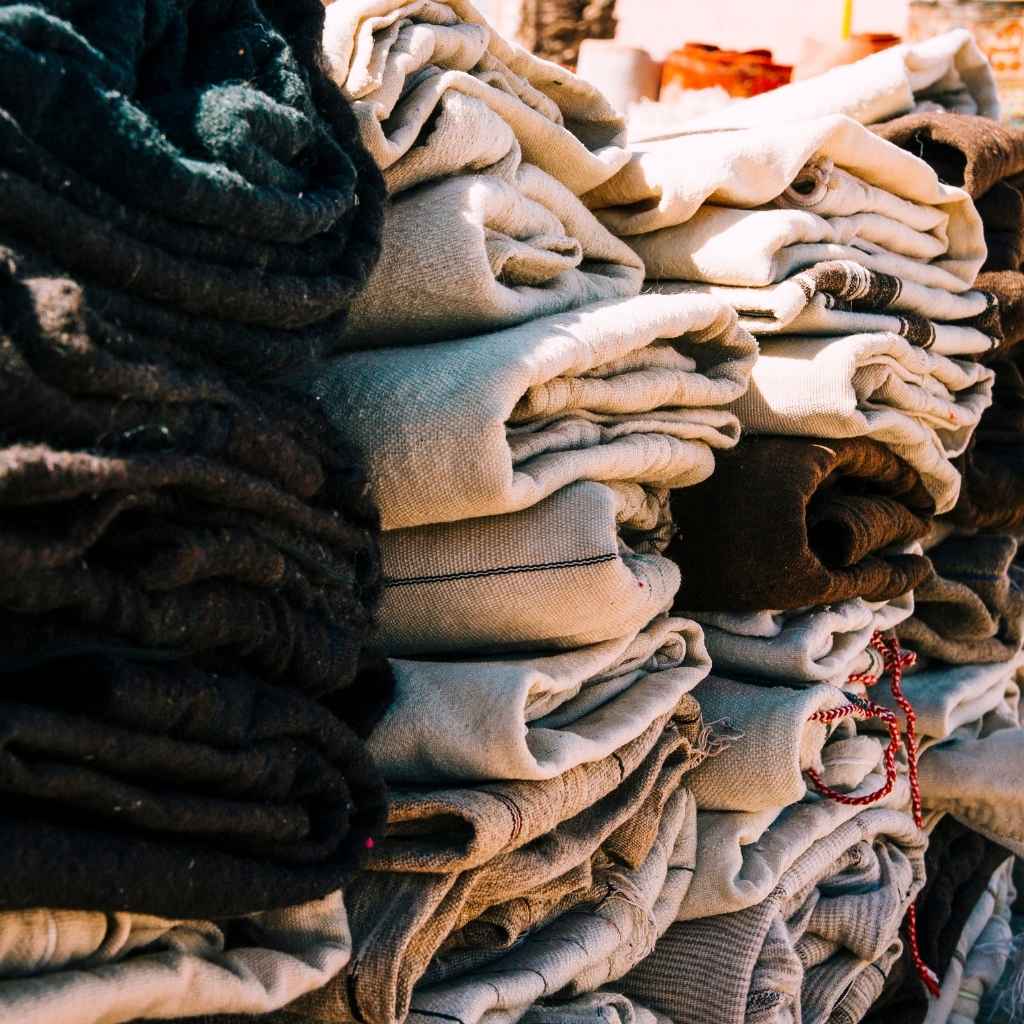
Why Upcycling Matters
The world is facing a growing waste problem. In the fashion industry alone, around 92 million tonnes of textile waste are generated globally each year, yet less than 20% is recycled. In the Asia-Pacific region, this reaches about 26 million tonnes annually, with under 15% returning to the recycling loop.
Malaysia itself generates an estimated 433,000 tonnes of textile waste every year, much of which still ends up in landfills even though a large portion remains strong and usable.
Upcycling is one practical way we address this problem. By repurposing existing materials instead of producing new ones, we help extend the life of valuable resources while reducing unnecessary waste.
This effort supports UN SDG 12: Responsible Consumption and Production by keeping usable materials in circulation, and UN SDG 13: Climate Action by helping reduce the environmental footprint linked to new production.
Sustainable Materials, Ethical Crafting & Thoughtful Production
At BorneoCraft, how something is made matters just as much as what is made. We focus on responsible materials and thoughtful production, turning discarded or unused materials into practical products designed for everyday life.
Each piece is made in small batches using a slower, more intentional process that prioritises quality over quantity. This approach helps us avoid overproduction while giving proper attention to each product we create.
These responsible crafting practices are also shared through our workshops, where participants learn how to make thoughtfully, value materials, and adopt more sustainable production habits in their own work.
This approach supports UN SDG 12: Responsible Consumption and Production and UN SDG 13: Climate Action by encouraging responsible material use and reducing overall environmental footprint.
Empowering Artisans, Creating Fair Work Opportunities
We create an open, practical skills training platform where rural women — including single mothers and talents from diverse backgrounds — have equal access to training, resources, and opportunities, empowering them to lead in their craft and communities (UN SDG 5: Gender Equality).
BorneoCraft also works to ensure beneficiaries have access to fair and flexible work opportunities, including home-based production and long-term collaboration with brands. This helps create more stable income, allowing our participants to support their families, invest in their skills, and work toward lasting economic independence (UN SDG 8: Decent Work and Economic Growth).
Beyond economic support, we help bring their work to the market through product showcases and digital platforms, so their creations can reach customers beyond their villages. In doing so, we help participants gain visibility, build pride in their work, and see their skills grow into real opportunities.
Why Upcycling Matters
The world is facing a growing waste problem. In the fashion industry alone, around 92 million tonnes of textile waste are generated globally each year, yet less than 20% is recycled. In the Asia-Pacific region, this reaches about 26 million tonnes annually, with under 15% returning to the recycling loop.
Malaysia itself generates an estimated 433,000 tonnes of textile waste every year, much of which still ends up in landfills even though a large portion remains strong and usable.
Upcycling is one practical way we address this problem. By repurposing existing materials instead of producing new ones, we help extend the life of valuable resources while reducing unnecessary waste.
This effort supports UN SDG 12: Responsible Consumption and Production by keeping usable materials in circulation, and UN SDG 13: Climate Action by helping reduce the environmental footprint linked to new production.


